
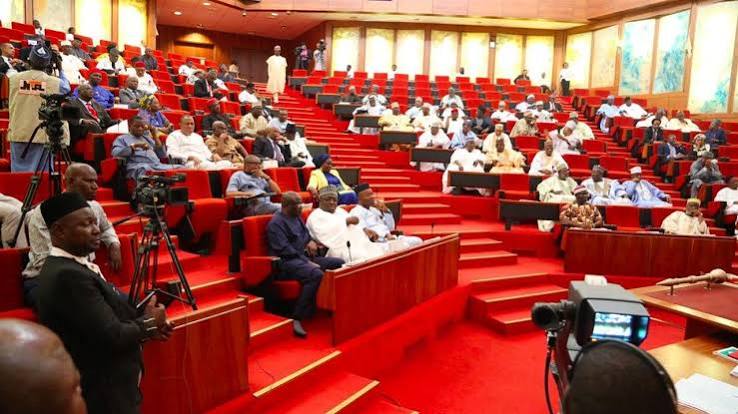

The Senate on Tuesday, July 7, turned down demands to nationalise South African companies operating in Nigeria, including MTN and DStv, as a reprisal for fresh xenophobic violence against Nigerians. While rejecting the call for economic retaliation, the upper chamber strongly condemned the hostility and demanded that the Federal Government intensify diplomatic measures to protect its citizens living in South Africa.
The legislative resolutions followed a motion titled “Motion on the Need to Halt the Recurring Xenophobic Attacks and Intimidation Against Nigerians and Other African Nationals in the Republic of South Africa,” sponsored by Senator Asuquo Ekpenyong.
The debate was sparked by a new wave of anti-foreigner violence that erupted after a June 30, 2026 deadline issued by South African vigilante groups ordering foreign nationals to exit the country expired. Ekpenyong noted that the intimidation has expanded past undocumented individuals to target law-abiding Nigerians holding valid work and residency permits, proving that the operations are driven by xenophobia rather than simple immigration enforcement.
During the debate, Senator Eshilokun Wasiu proposed the nationalisation of South African business assets. Supporting a firm response, Senator Adams Oshiomhole suggested an amendment to seize the profits of South African firms to compensate victims if their host government refused to pay damages.
Oshiomhole said, “I was alarmed by comments attributed to a South African minister suggesting that compensation would not be paid to Nigerians whose properties were looted, shops burnt, businesses destroyed, and lives lost during the recent xenophobic attacks. If indeed the South African government refuses to compensate affected Nigerians, it is proposed that the federal government of Nigeria should consider appropriating the profits made by South African companies operating in Nigeria, including their banks and other businesses, and use those funds to compensate Nigerian victims. The ultimatum reportedly given to Nigerians to leave by June 30 was enforced by mobs while the South African government appeared unable to protect innocent people. We cannot allow Nigerians to suffer such losses and then use Nigerian taxpayers’ money to compensate them while South African businesses continue to make profits here. I therefore urge that the profits accruing to South African companies in Nigeria be appropriated and used to compensate Nigerians whose businesses were destroyed and whose loved ones were killed.”
Intervening the Deputy President of the Senate, Senator Barau Jibrin, who presided over the plenary, cautioned lawmakers against relying strictly on unverified social media clips and urged diplomatic patience.
Jibrin said, “Before we proceed, let me make one point. Nobody in this chamber is happy with what is happening in South Africa. The actions of violent groups attacking innocent people are completely unacceptable. Killing people in the name of protests cannot and should not be tolerated. However, we also need to exercise caution. As Senator Oshiomhole rightly noted, we should not rely solely on statements circulating on social media without proper verification. I watched the interview being referred to. The South African minister explained that people occupying illegal settlements without legal title would not receive compensation because they had no legal ownership. However, those with valid property titles would retain their ownership rights, regardless of whether they had been displaced. That explanation, however, does not excuse the failure to prevent innocent people from being displaced in the first place. If the South African government is facing internal security challenges or coordinated attempts to destabilise the country, then it should come out openly and tell the international community. We are fellow Africans, and whilst stabilising is required, we can always cooperate. For now, I appeal that we allow the Senate Committee on Foreign Affairs, chaired by your distinguished colleague and former governor, to complete its investigation before we take further decisions. Let the committee do its work and submit its findings.”
Oshiomhole interjected, arguing that the chamber could not afford to delay while citizens remained at risk. He said, “Mr President, with profound respect, this matter was extensively debated about a month ago. Under your leadership, the Senate resolved that the Committee on Foreign Affairs should investigate the situation. You even suggested that a delegation be sent to South Africa. Respectfully, it should not appear that our previous decision must now await further opinion before action is taken. We should not continue to exercise caution until more Nigerians are killed.”
In response, Jibrin shortened the investigation timeline, giving the committee two weeks to submit its findings.